
MiraalTechLTD
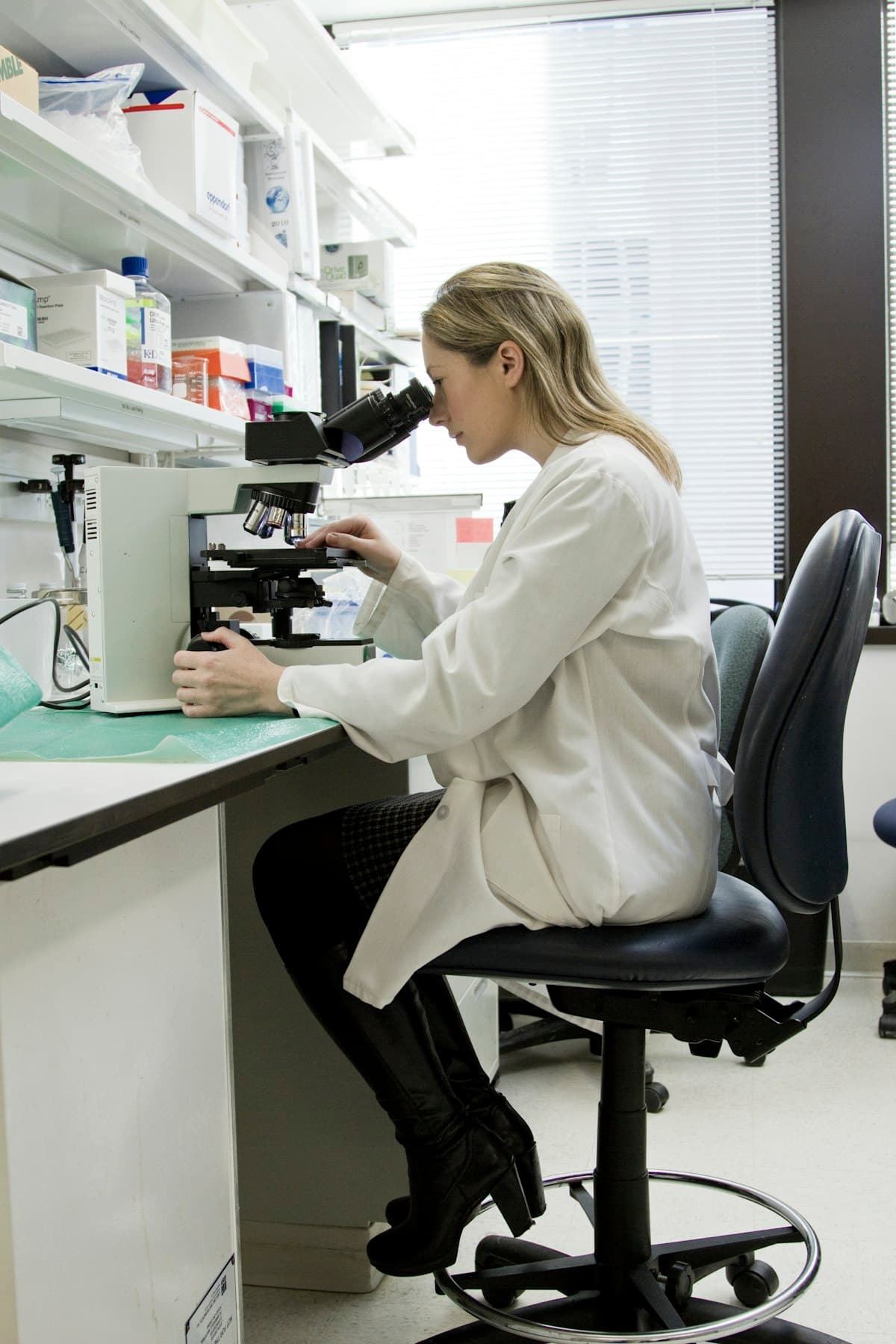
Radiologist working alongside AI assistance

Insights

AI/ML

AI-Assisted Radiology: Benefits and Limits

AI has become a genuine ally in radiology, helping clinicians read scans faster and catch findings they might otherwise miss. But a balanced view matters. Understanding both what AI does well and where it falls short is what lets a department use it safely and effectively.

The benefits

AI speeds up reading, prioritises urgent cases, and acts as a second set of eyes that catches subtle findings. It applies consistent scrutiny to every scan, does not tire, and can reduce the backlog that builds in busy departments. Used well, it makes radiologists faster and more confident.

The limits

AI is only as good as the data it was trained on, and it can miss findings outside that experience or flag things that are not there. It does not understand the full clinical context the way a radiologist does. And an unvalidated tool can do more harm than good, which is why proper validation and oversight matter.

Need help implementing this in your clinic?

Book a free consultation with our healthcare software team in Manama.

Getting the balance right

The safe approach treats AI as an assistant, not an authority. The radiologist stays responsible for the final read, using the AI to work faster and catch more, while remaining alert to its blind spots.

Frequently asked questions

What are the benefits of AI in radiology? Faster reading, urgent-case prioritisation, consistent scrutiny, and catching subtle findings as a second reader.

What are the limits of AI in radiology? It depends on its training data, can miss context, may produce false flags, and must be validated and overseen by a radiologist.

Views: 49

Share with:LinkedInX

Written by

Ali Rana

Full Stack Developer

Contact Us

Alternatively, contact us directly:

contact@miraaltech.com

Schedule a Private Consultation

August 2026
MonTueWedThuFriSatSun