AI Medical Scribes Compared: How Ambient Documentation Cuts Doctor Burnout
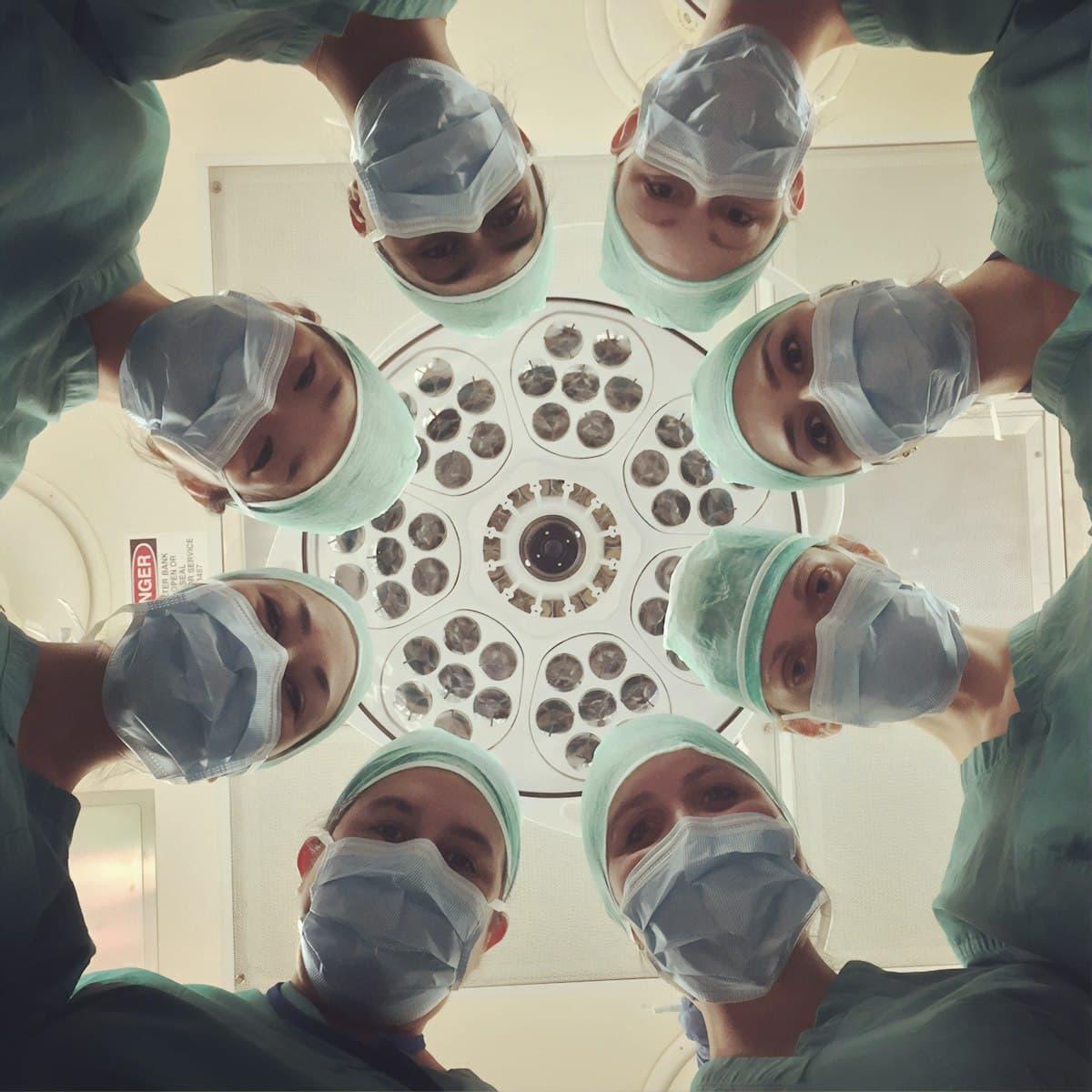
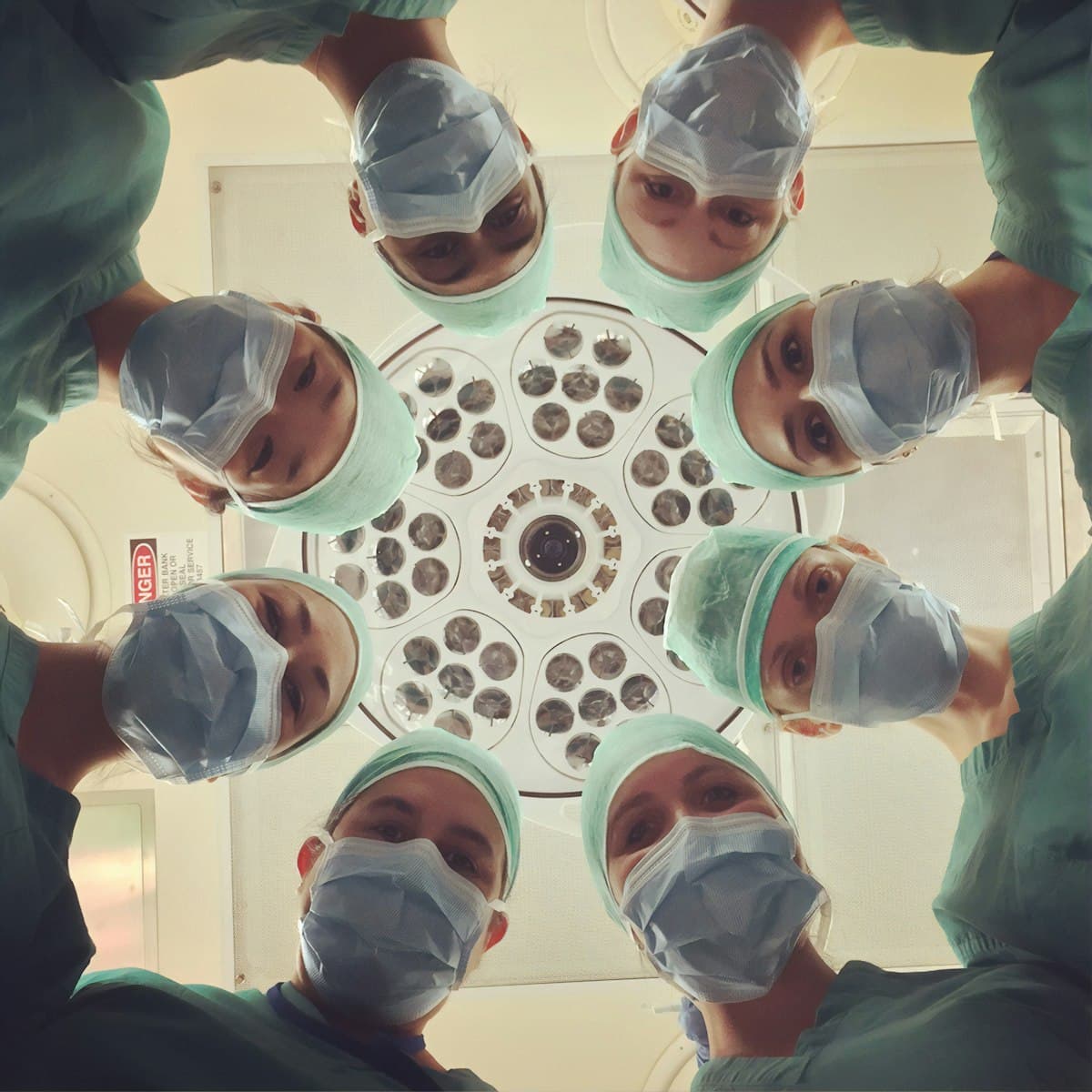
Doctors spend hours writing notes instead of seeing patients. Here is how AI scribes and ambient documentation are handing that time back.

Insights
EMR/EHR
If you have looked into connecting healthcare systems, you have probably run into HL7 and FHIR. They sound technical, and they are, but the idea behind them is simple and worth understanding, because they are what make it possible for different systems to share data reliably.
HL7 is a set of standards for exchanging healthcare information between systems. It has been around a long time and underpins much of how health data moves. FHIR is a more modern standard within the HL7 family, designed to make data exchange easier, faster, and more web-friendly. Think of them as a shared language that lets different systems understand each other.
Without shared standards, connecting two systems is a custom, fragile job every time. With HL7 and FHIR, systems that support them can exchange data far more reliably. That is why, when choosing software, it helps to ask whether it supports these standards, because it makes future integration much smoother.
Book a free consultation with our healthcare software team in Manama.
You do not need to become an expert in the standards. You just need software built to support them, so your systems can connect now and in the future without painful custom work.
What are HL7 and FHIR? Standards that let healthcare systems exchange data. HL7 is long-established, and FHIR is a more modern, web-friendly standard within the HL7 family.
Why do they matter when choosing software? Software that supports these standards integrates far more easily with other systems, now and in the future.
MiraalTech builds software that supports modern data standards for smooth integration. If connectivity matters to you, get in touch.
Bilal Anwar
Healthcare Software Lead

Doctors spend hours writing notes instead of seeing patients. Here is how AI scribes and ambient documentation are handing that time back.

Large language models are quietly rewriting how clinical notes get written. Here is what is changing.

What if the visit documented itself? That is the promise of ambient AI.
We use cookies to improve your experience on our site. By continuing, you agree to our Cookies Policy and Privacy Policy.