
Predicting No-Shows Before They Happen
The Ask
An outpatient department treated no-shows as unavoidable. A prediction layer let them prevent empty chairs instead of reacting to them.
- Certain days and certain patient patterns produced no-shows the department could not anticipate.
- The result was idle specialists, wasted rooms, and long waits for other patients who could have taken those slots.
- The loss was real and stubborn, and reminders alone were not solving it.
- Hospital group [NDA]
- Hospital operations
- GCC
- No-show prediction
- Hospital group [NDA]
- Hospital operations
- GCC
- No-show prediction
Background
A hospital group's outpatient department had accepted no-shows as an unavoidable cost of doing business. Reminders helped, but certain slots kept falling empty no matter what, and the department could not see it coming.
Challenges
Approach
Results
Instead of reacting to empty chairs, the department started preventing them. High-risk slots got extra attention, freed time went to waiting patients, and utilisation climbed steadily. The same doctors and the same hours simply produced more care, because the department could finally see the gap before it opened.
- Outcome Instead of reacting to empty chairs, the department started preventing them. High-risk slots got extra attention, freed time went to waiting patients, and utilisation climbed steadily. The same doctors and the same hours simply produced more care, because the department could finally see the gap before it opened.
Treating no-shows as unavoidable?
Get in touchFrequently Asked Questions
Related case studies
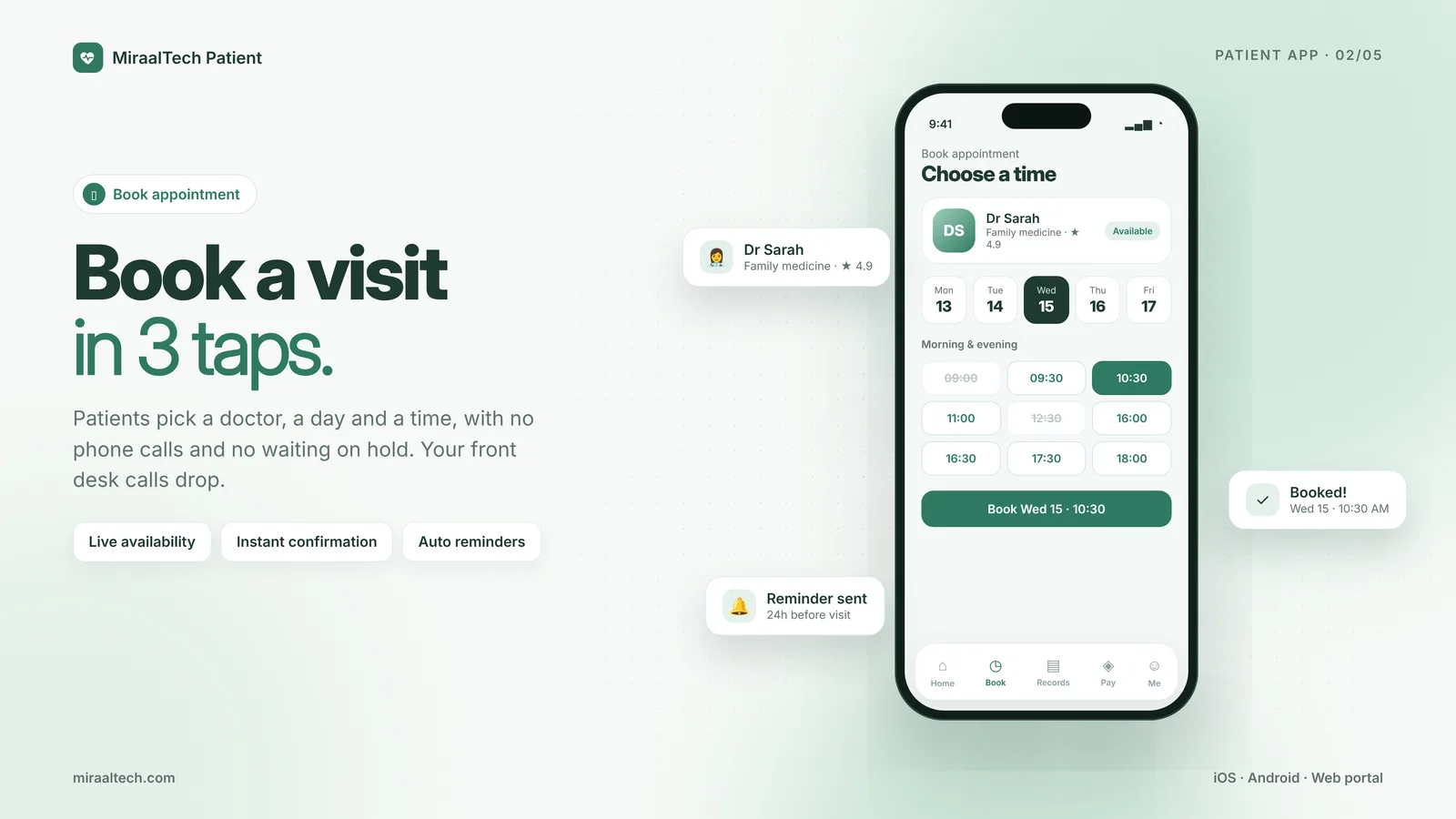
How a Clinic Recovered Revenue Lost to No-Shows
Nearly a quarter of a busy Manama clinic's appointments were ending as no-shows. In six working days, WhatsApp reminders turned empty chairs back into revenue.
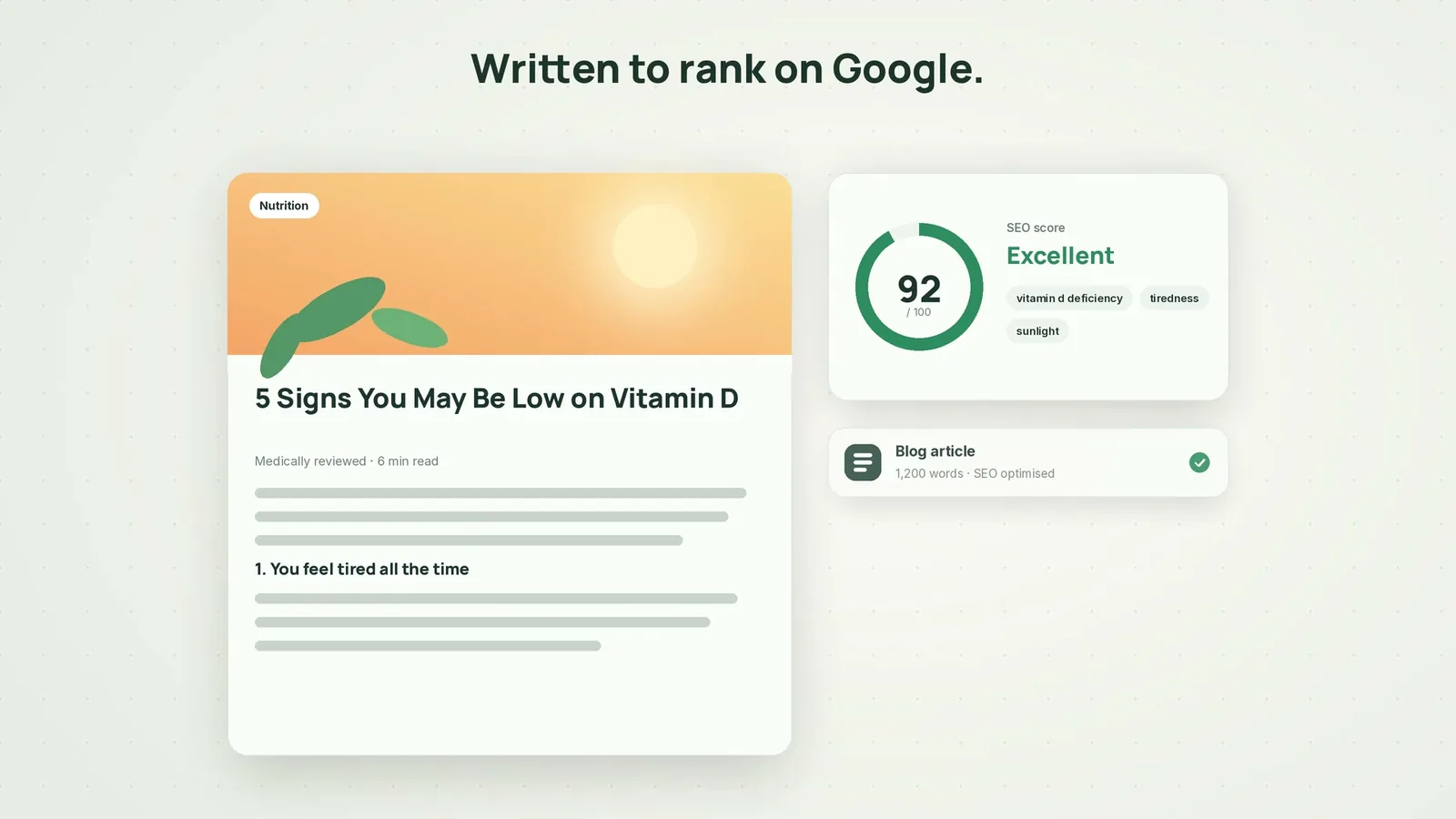
Giving Doctors Their Time Back With AI Patient Education
A Riyadh physician was exhausted by repetition, not by hard cases. In four working days, AI gave every patient a clear explainer and gave him his time back.
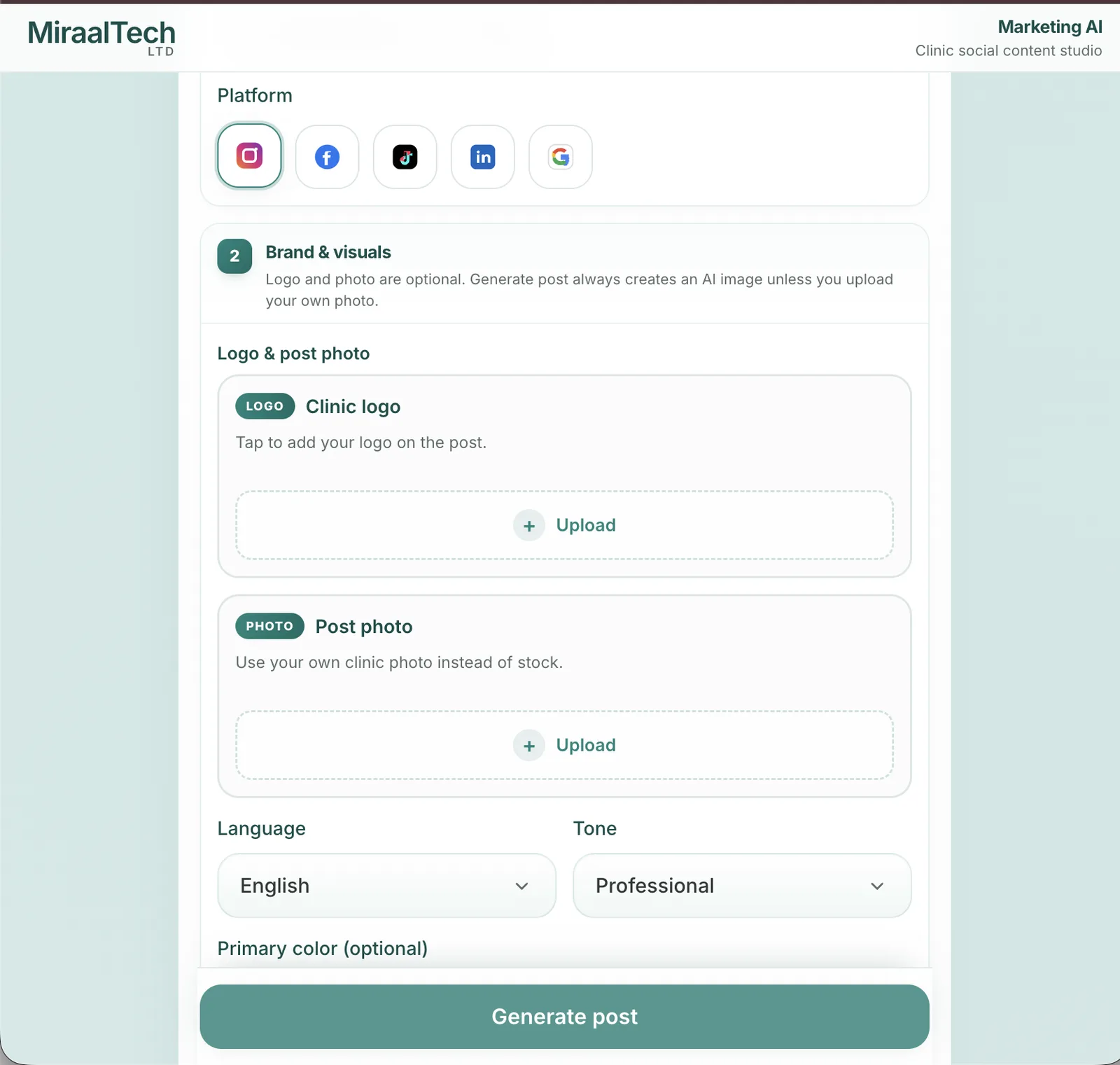
Keeping a Great Clinic Visible With AI Marketing Content
Great doctors, empty social pages. In five working days an AI content engine kept a Dubai practice visible without anyone burning an evening on it.