$48,000 on marketing ads. The waiting room stayed quiet.
The call
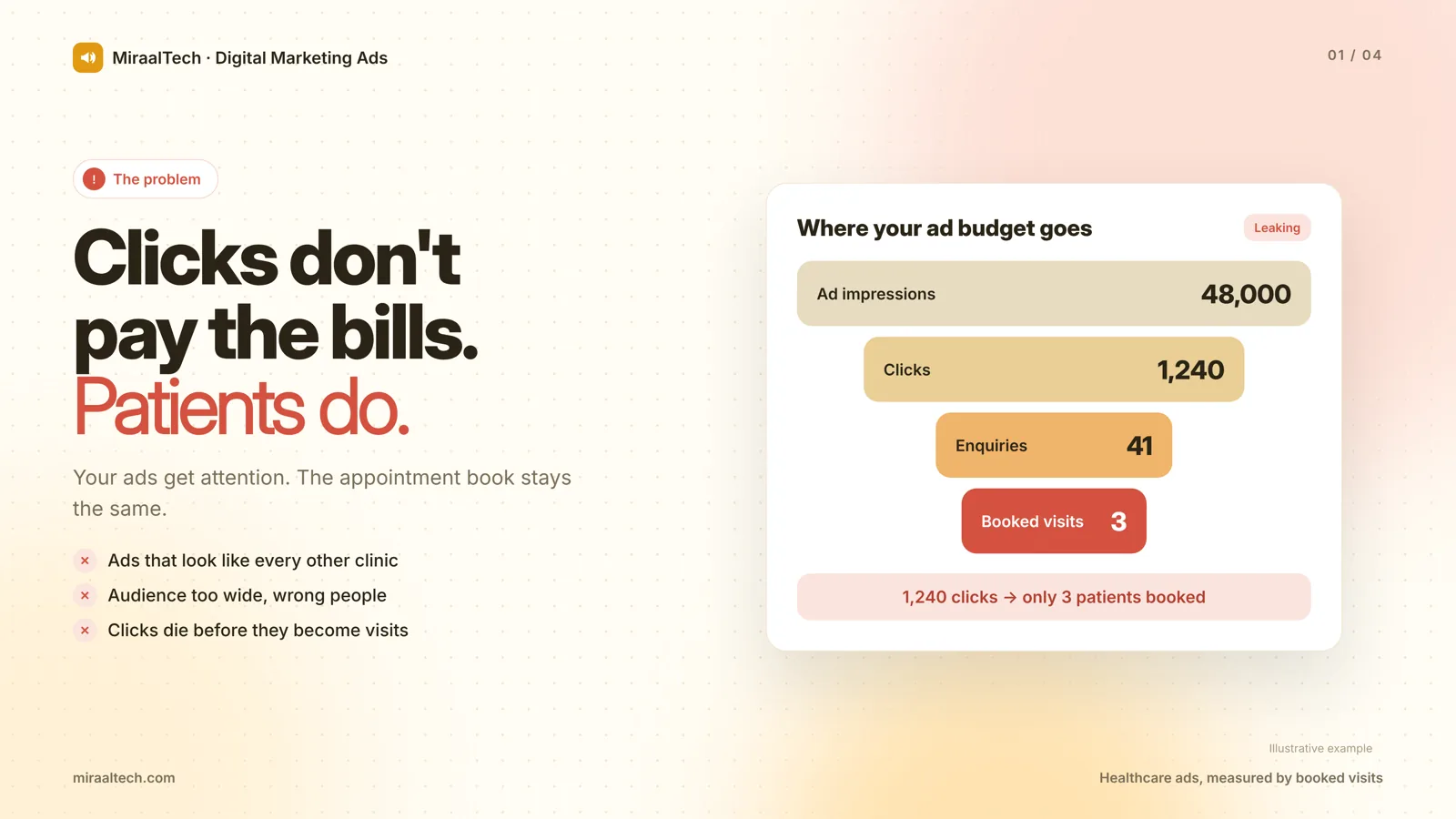
Harbourview Hospital in Manama had three departments on ads and one owner who was done with the reports. Dermatology, dental, and the main hospital had spent $48,000 in half a year. The dashboards were full of clicks. The chairs were not full of patients. They could point to fewer than 50 people who walked in because of an ad, and a lot of those people wanted the wrong visit. The owner was two weeks from switching the ads off.
- The skin clinic was paying for views while the laser room sat dark on Sundays
- Implant ads were ringing the phone with people who wanted a cheap cleaning
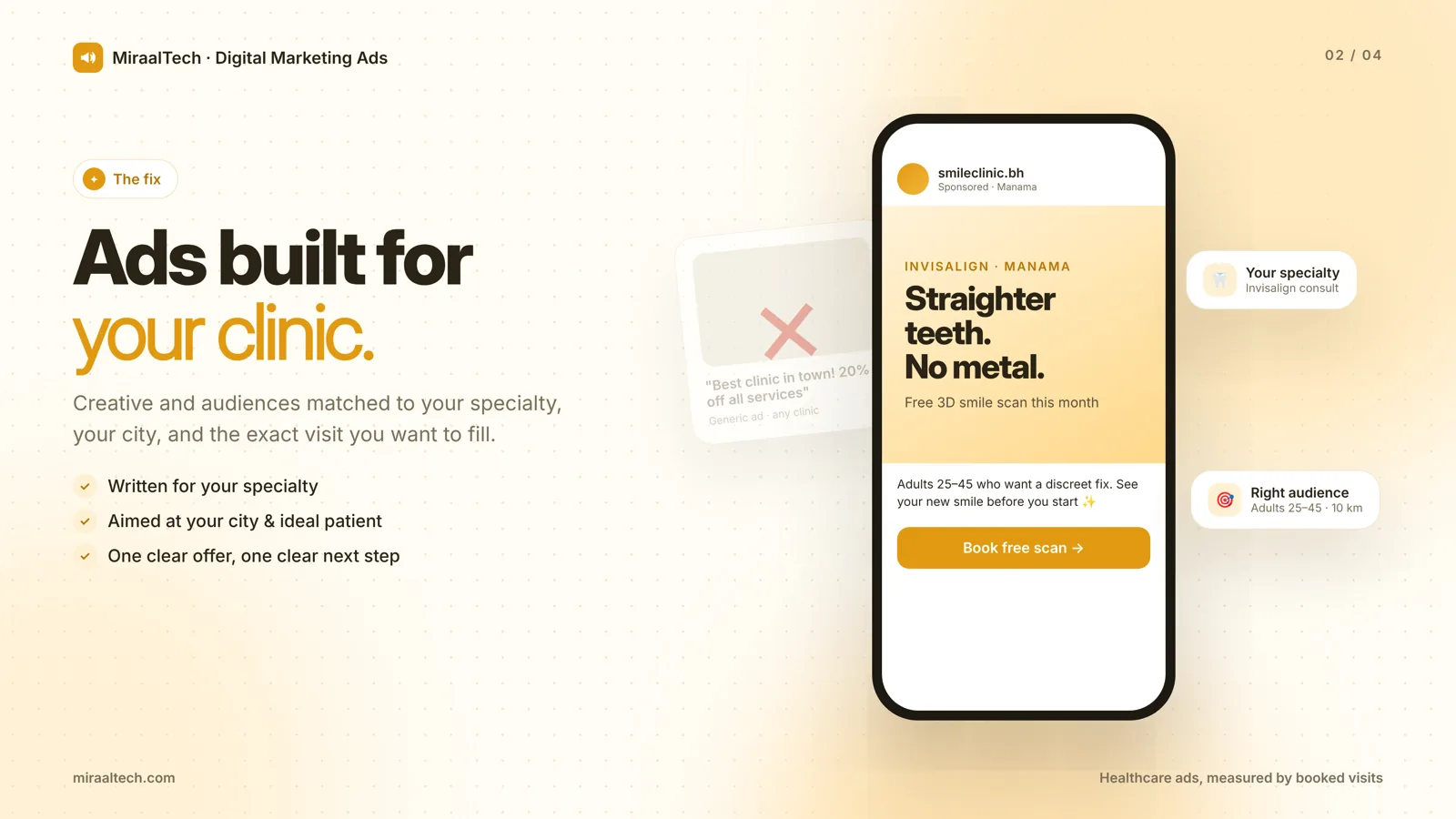
- The main hospital ad tried to sell everything, so the paediatric clinic they needed to fill got four patients
- Harbourview Hospital, Manama
- Private hospital
- Bahrain
- Healthcare ads
- Harbourview Hospital, Manama
- Private hospital
- Bahrain
- Healthcare ads
Background
This is one hospital, not three clients. Dermatology sits on the second floor. Dental is down the corridor. General outpatients, including the evening paediatric clinic, uses the main reception. One person was buying the ads for all of them, from one account, with one monthly bill.
Every Monday the marketing manager printed a report and walked it to the owner. Views were up. Clicks were up. Then the owner walked the floors. Sunday laser slots had three names and two no-shows. The implant dentist had blocked two afternoons a week and spent them checking his phone. Evening paediatrics, the clinic they had hired an extra doctor for, was still taking walk-ins because the book was thin.
The damage was bigger than the ad bill. $48,000 was gone, and so were the hours those doctors had kept open. A laser Sunday that does not run still pays the nurse and the room. An implant afternoon with nobody in the chair is a dentist you already pay, sitting still. The paediatric doctor had asked, more than once, why the ads never mentioned her clinic.
Challenges
Same hospital. Three different ways to lose money. Each department thought the ads were a little disappointing. Put together, they were a hole in the month.
Approach
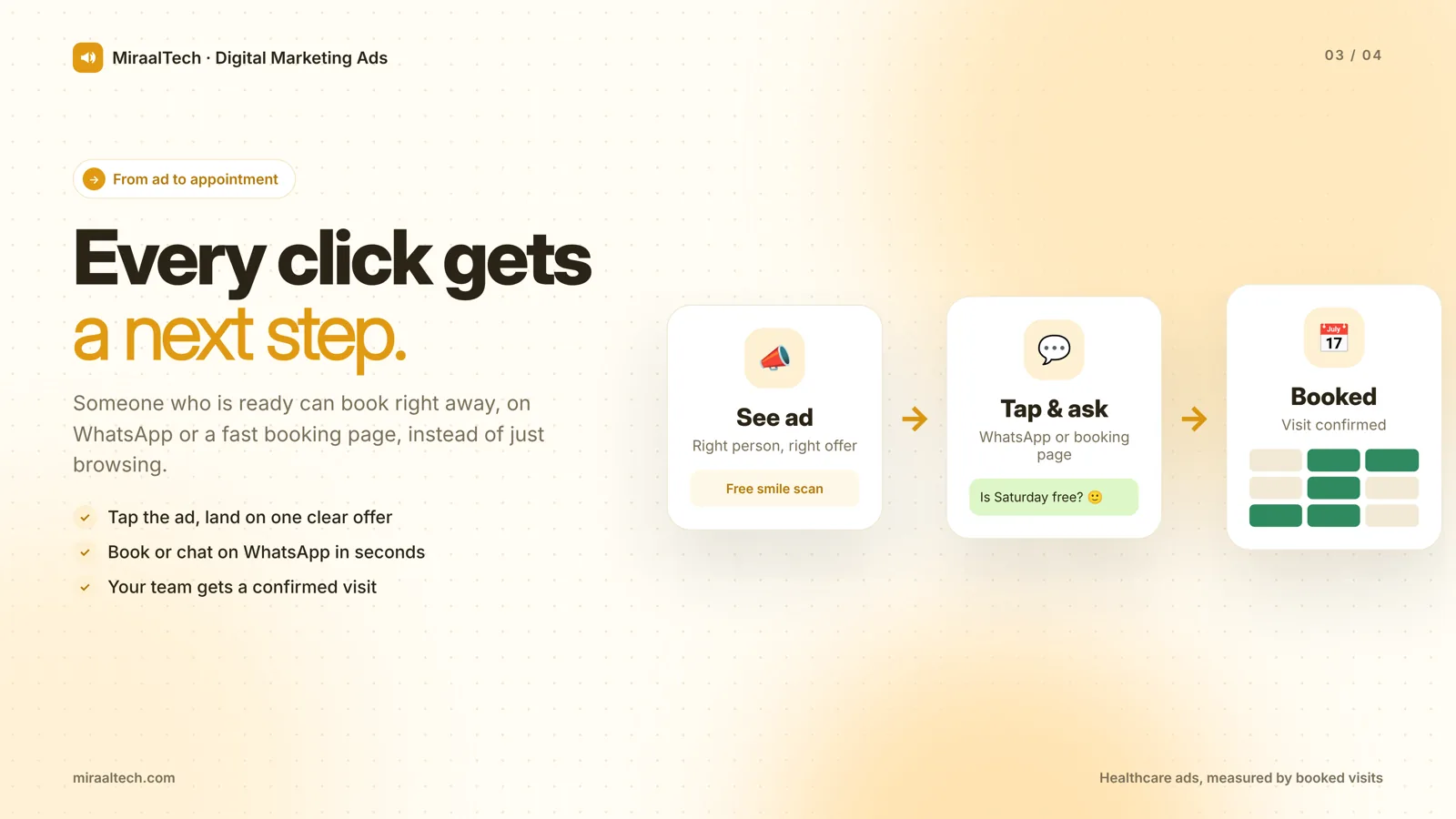
We did not ask them to spend more. We split one messy account into three offers, each with a person, a price, and a way to book before the mood passed.
Results
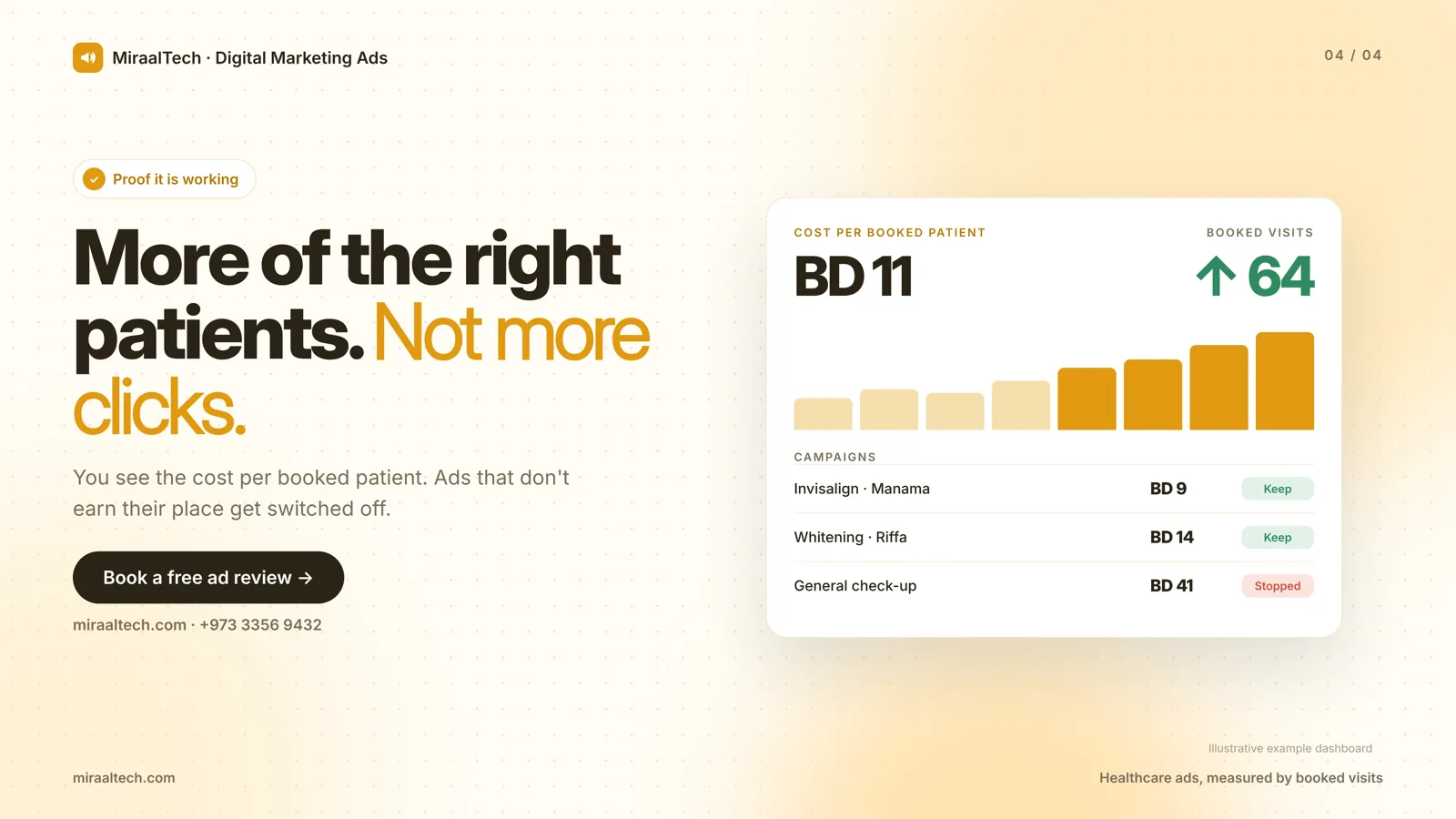
Dermatology, eight weeks later. Spend in that window was $4,600, about a third of what they used to burn in a similar stretch. Seventy-one people booked a skin visit. Those visits billed $18,600. The Sunday laser list filled for five weeks in a row. The nurse who used to be sent home early on Sundays stopped asking if she should bother coming in.
- $14,200 Spent in the four months before, for 7 paying skin patients.
- 71 Booked dermatology visits in the eight weeks after the ads were rewritten.
- $18,600 Billed from those visits, against $4,600 in ads.
Dental, six weeks later. Spend was $1,900. Twenty-two people sat down for an implant consult, not a cleaning enquiry. Nine started a treatment plan. Those nine plans brought in $24,600. The first three plans covered the ad bill and left the rest as clinic money. The dentist got his afternoons back, this time with people in the chair.
- 1 Treatment started from six months and $11,800 of the old implant ads.
- 22 Consults that actually sat down in the six weeks after.
- $24,600 From the nine plans that started, against $1,900 in ads.
The main hospital, one month later. Spend was $3,100. The paediatric evening clinic went from 4 ad-booked visits in five months to 58 in that month. Twenty-seven people bought the checkup package. Together those two offers billed $16,400. The ER ad was gone, and nobody at reception noticed a drop in emergencies. They noticed the evening clinic had a wait.
- $22,000 Spent in five months for 31 outpatient files, 4 of them paediatric.
- 58 Paediatric evening visits booked from ads in the following month.
- 27 Checkup packages sold in that same month.
Client's Role
The owner stopped reading click reports. Each Monday he got three numbers: what we spent, who booked, and what those visits billed.
The hospital
The marketing manager sent the old account, the empty-slot lists, and the prices they were actually willing to print. Department heads told us which hours were dead. Reception kept a simple tally of who mentioned an ad.
MiraalTech
We wrote the offers, built the ads, picked who in Manama should see them, and connected each one to WhatsApp so a ready patient could take a time. Every week we turned off anything that had spent money and booked nobody.
If your ads are busy and your chairs are not, bring us the report.
Book a free ad auditRelated Services
Frequently Asked Questions
Related case studies
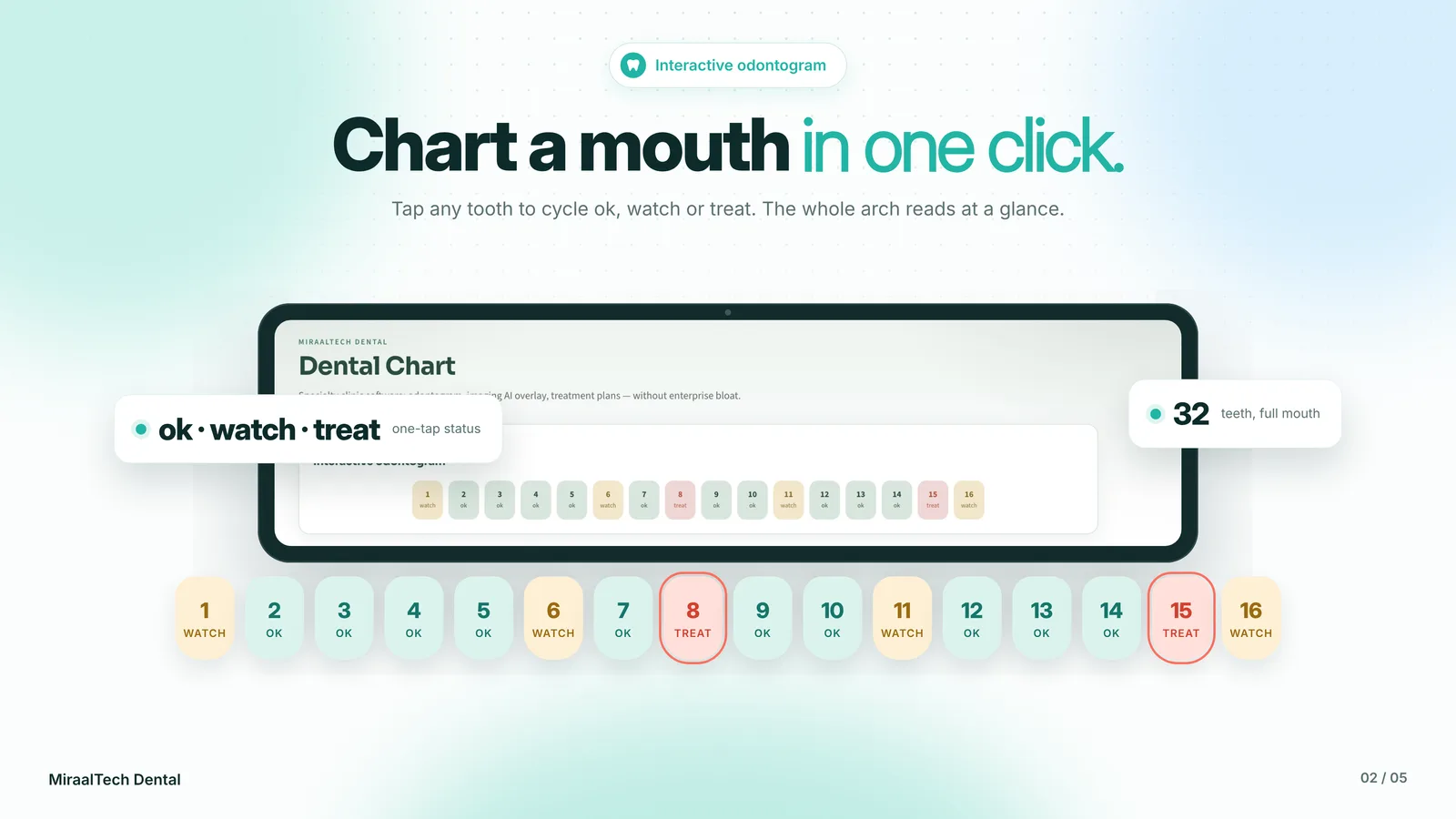
Dental Clinic System Integration
Imaging software, practice management, and insurer billing lived in separate systems, forcing staff to re-key treatment codes and photos. They asked for a unified patient timeline with Arabic treatment summaries and NPHIES-ready claim codes.
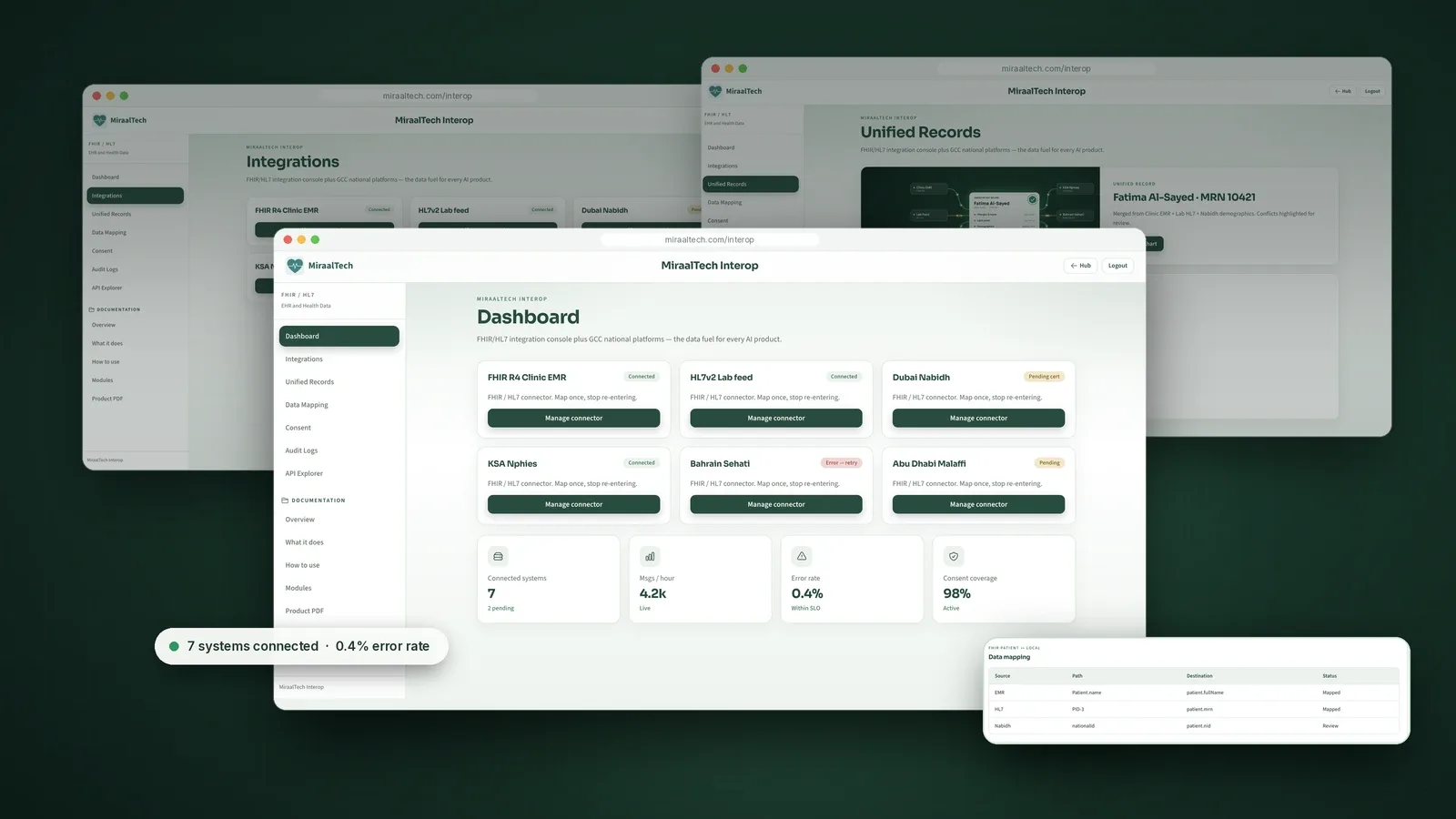
Connecting Systems With EHR and Health-Data Integration
Disconnected systems meant duplicated work and patient data scattered across tools. A careful integration engagement helped information flow where it was needed.
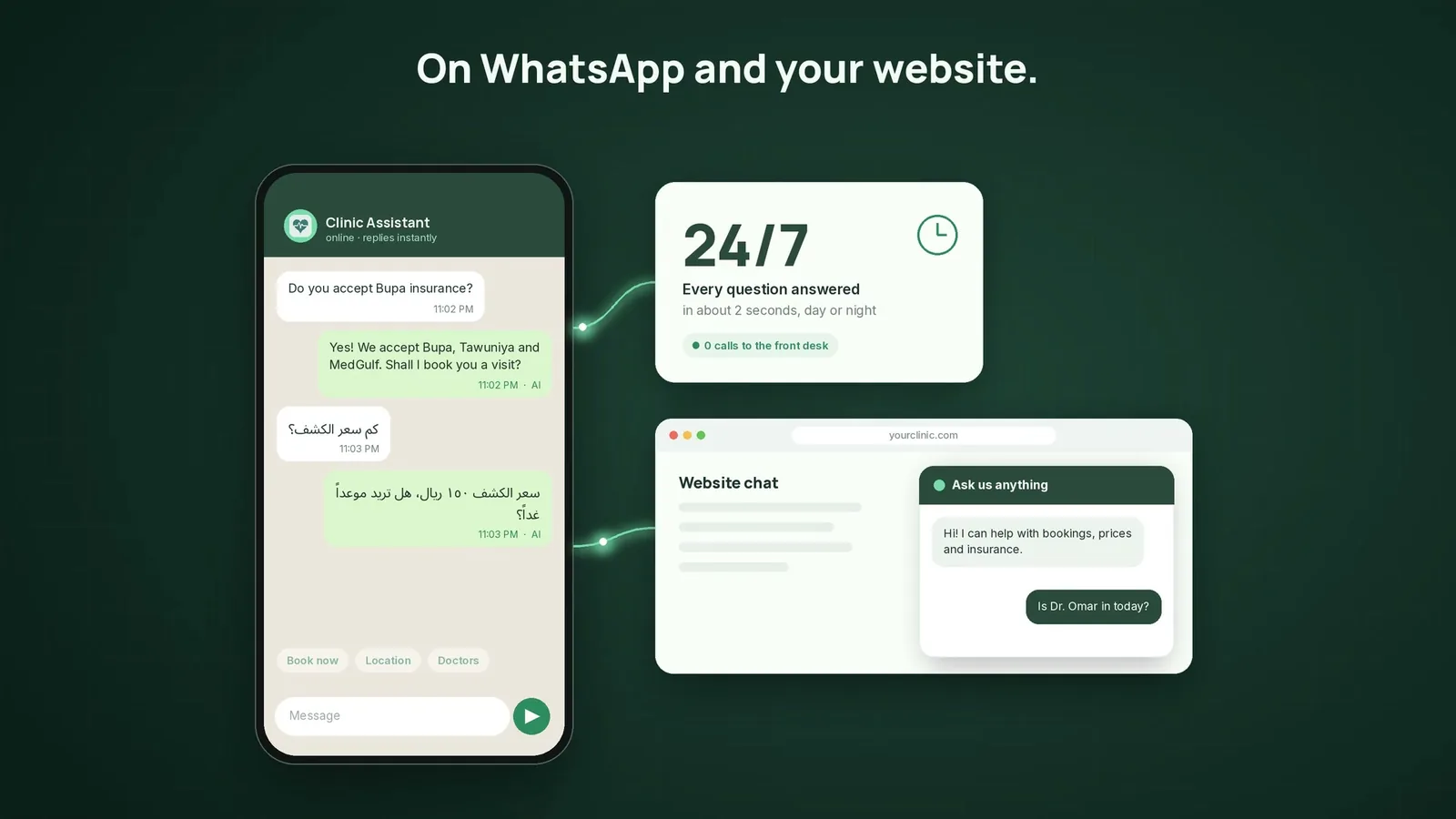
WhatsApp AI Assistant for a Multi-Branch Clinic
Reception teams handled high volumes of WhatsApp messages manually alongside phone calls, leading to delayed replies and missed appointment confirmations. They needed automated booking and reminder flows on WhatsApp Business API - in Arabic and English - with escalation to staff for clinical questions.